20.07.2026 | 4 mins read
Wellbeing growth in every postcode
"Wellbeing shouldn't be a privilege, it's something that should be there for everybody." Ben Wealthy outlines how the new UK Prime Minister can put wellbeing first.Ben Wealthy
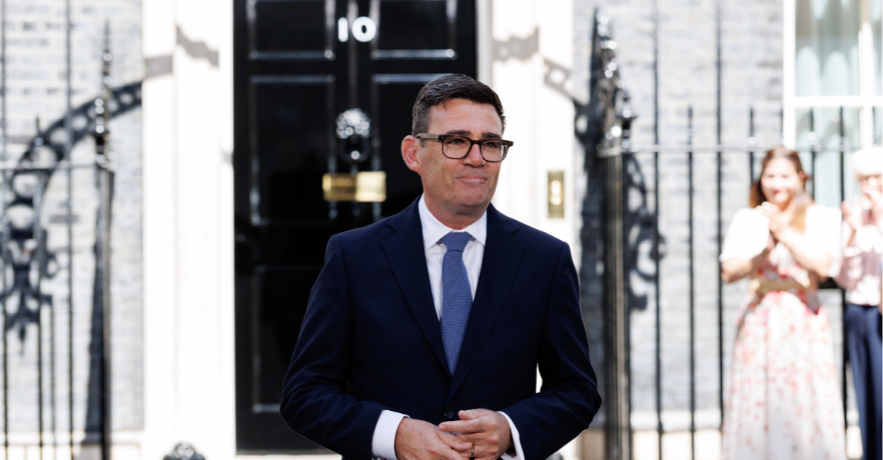
“Wellbeing shouldn’t be a privilege, it’s something that should be there for everybody.” The words of the new UK Prime Minister, Andy Burnham.
In his opening remarks as Prime Minister outside 10 Downing Street he pledged to “help people live well” and “put the care of people at the heart of everything.” He also spoke about creating a preventative state and expanding mental health support.
This chimes with our outlook at the World Wellbeing Movement (WWM). We believe that wellbeing can, and should, be the greatest mission of our society. Our annual publication – the UK Wellbeing Report – paints a picture of how we are doing.
On a positive note, average life satisfaction is 7.51 out of 10. However, this is below the 7.71 record high recorded before the Covid-19 pandemic. So far during the 2020s life satisfaction is broadly flatlining and the risk we face is a lost decade for wellbeing growth without a change in direction.
Beneath the headline figure, a more troubling landscape emerges. Around 1 in 8 adults aged 16 and above are estimated to be living below the Happiness Poverty Line (they rate their life satisfaction as 5 or below), with significant inequalities between regions and nations.
Northern Ireland experiences the highest average life satisfaction (7.81) and the lowest share of the population living in happiness poverty (9%), while London reports the lowest average life satisfaction (7.41). Wales and North West England have the highest proportion of people in happiness poverty, with 14% of people estimated to be living below the Happiness Poverty Line.
What could our new Prime Minister do to make progress on wellbeing? Here is our 5-point plan:
1. Deliver an Annual Wellbeing Statement in Parliament
Just as the Budget provides an assessment about the wellbeing of the economy, this would offer the latest statistics on the wellbeing of the people. It could be accompanied by a Wellbeing Action Plan focussed on driving wellbeing up, especially for those with the lowest levels. Let’s make wellbeing matter in Westminster and Whitehall – and indeed Manchester – at least as much as GDP.
The new Chancellor should put wellbeing centre stage at the next Spending Review, requiring each department to draw on the Green Book (guidance on wellbeing) which shows how to design policies that deliver the biggest wellbeing bang for our buck. Research by Lord Richard Layard and colleagues highlight apprenticeships and mental health support, amongst other areas, as representing the best value for money. Both issues are key to tackling the challenge of youth unemployment currently being investigated by the Milburn Review.
2. Create a national measure of youth wellbeing
Second, and still focussed on young people, we need to strengthen how we measure their wellbeing. The #BeeWell programme, which started in Manchester, is a survey designed to do just that. A recent campaign, backed by over 50 organisations including the WWM, is campaigning for the implementation of national programme, to better track trends and understand what works for children’s wellbeing as the Office for National Statistics already does for adults. Better data collection will show us if policy initiatives, such as on social media, are succeeding among young people.
3. Use wellbeing as a growth strategy
Businesses that prioritise wellbeing find it makes good business sense, improving key metrics like recruitment, retention, productivity and financial performance. Low levels of workplace wellbeing are bad for individual employees but also damaging for businesses and “UK plc”. Being pro-wellbeing and pro-growth can, and should, go hand-in-hand. We have previously outlined the case to the Business and Trade Committee. The Government must work with businesses to measure, report and act on employee wellbeing.
4. Highlight the importance of local leadership
Fourth, an accelerated devolution agenda provides significant opportunities for wellbeing. The English Devolution and Community Empowerment Act includes a statutory duty for mayors and strategic authorities to actively consider and reduce health inequalities in their region. Many of their responsibilities across housing, transport, air quality and the economy are key drivers of our wellbeing. Local councils already have a duty to improve and protect the health and wellbeing of the communities they serve. Local leadership is essential.
…and it all makes political sense, too
The famous quip by a Bill Clinton aide in the early 1990s that “it’s the economy, stupid” has become an accepted law of electoral politics. Using data from 1996 to 2025, researchers found that higher levels of wellbeing increase the vote share for the Government at General Elections. They also increase support for the Government in between elections, and voter turnout at the ballot box. Our argument, supported by new analysis in this year’s UK Wellbeing Report, shows wellbeing variables influence elections. In fact, they are as predictive as – and in many specifications more predictive than – traditional economic indicators like income and employment.
Wellbeing is more than a public good worth investing in, it is also one of the clearest paths to boosting the popularity of governments and strengthening our democracy.
For us, ‘good growth’ means wellbeing in every postcode – individuals and communities across the UK feeling more satisfied with life. The greatest focus should be on improving the lives of those living in happiness poverty. We will be applying this ‘Wellbeing Test’ to Andy Burnham’s premiership. As ever the electorate will be the judges, both in how they rate their life satisfaction in the months and years ahead and where they mark their cross at the next election.
Ben Wealthy is the acting Director of the World Wellbeing Movement.
Header Image: © Copyright Lauren Hurley / No 10 Downing Street via Flickr